
The Market Environment and Competitive Dynamics of the Cold Forging Industry
The Survival Environment and Competitive Landscape of the Cold Forging Industry
On April 30, we visited an automotive components manufacturer, which is a Tier-2 supplier to Chery Automobile and BYD. The company mainly specializes in the production of automotive parts and customized non-standard components.
The factory is equipped with multi-station cold forging machines (such as 136 and 24B models), CNC lathes, and a comprehensive quality control system, including salt spray testing and tensile strength testing. It demonstrates a relatively mature capability in both production and quality management. Their products are primarily made of aluminum and steel.
During our discussions, we learned that the current market remains highly price-driven, with intense homogenized competition. For example, an aluminum part may sell for around RMB 2, with a profit margin of only about RMB 0.1. In addition, to secure orders, some suppliers even waive tooling costs at the initial stage. This low-price-driven approach has become a common way for many manufacturers to sustain operations and maintain cash flow.
Under such market conditions, relying solely on price competition is not sustainable in the long term.
Ningbo Yihu Hardware Manufacturing Co., Ltd. aims to take a different path by pursuing differentiation and gradually expanding into the mid-to-high-end market. We focus on customers who value quality, reliability, and long-term cooperation. Our commitment is to provide consistent quality, engineering support, and one-stop solutions—from cold forging to precision machining—creating real value for our customers rather than competing on price alone.
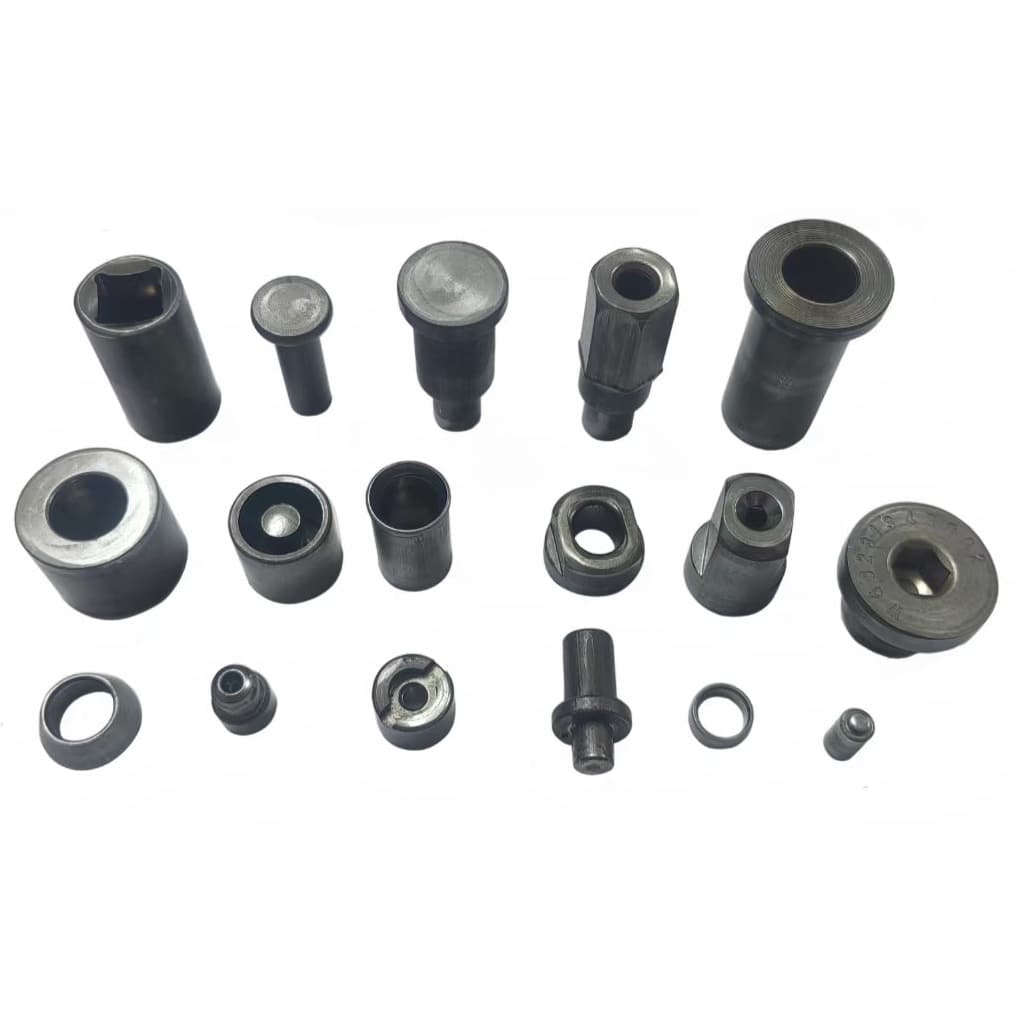 World Cup passion, Cold Heading speed
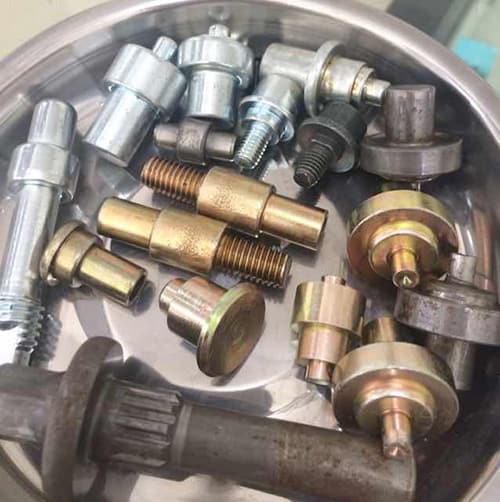 About Minimum Order Quantity (MOQ) for Cold Forged Parts
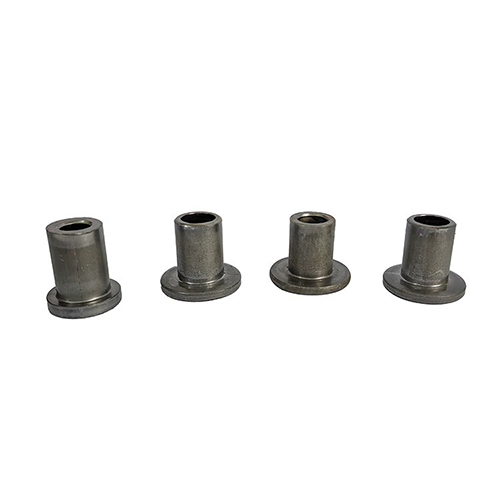 Quick Q&A with Ningbo Yihu Hardware Manufacturing Co., Ltd.
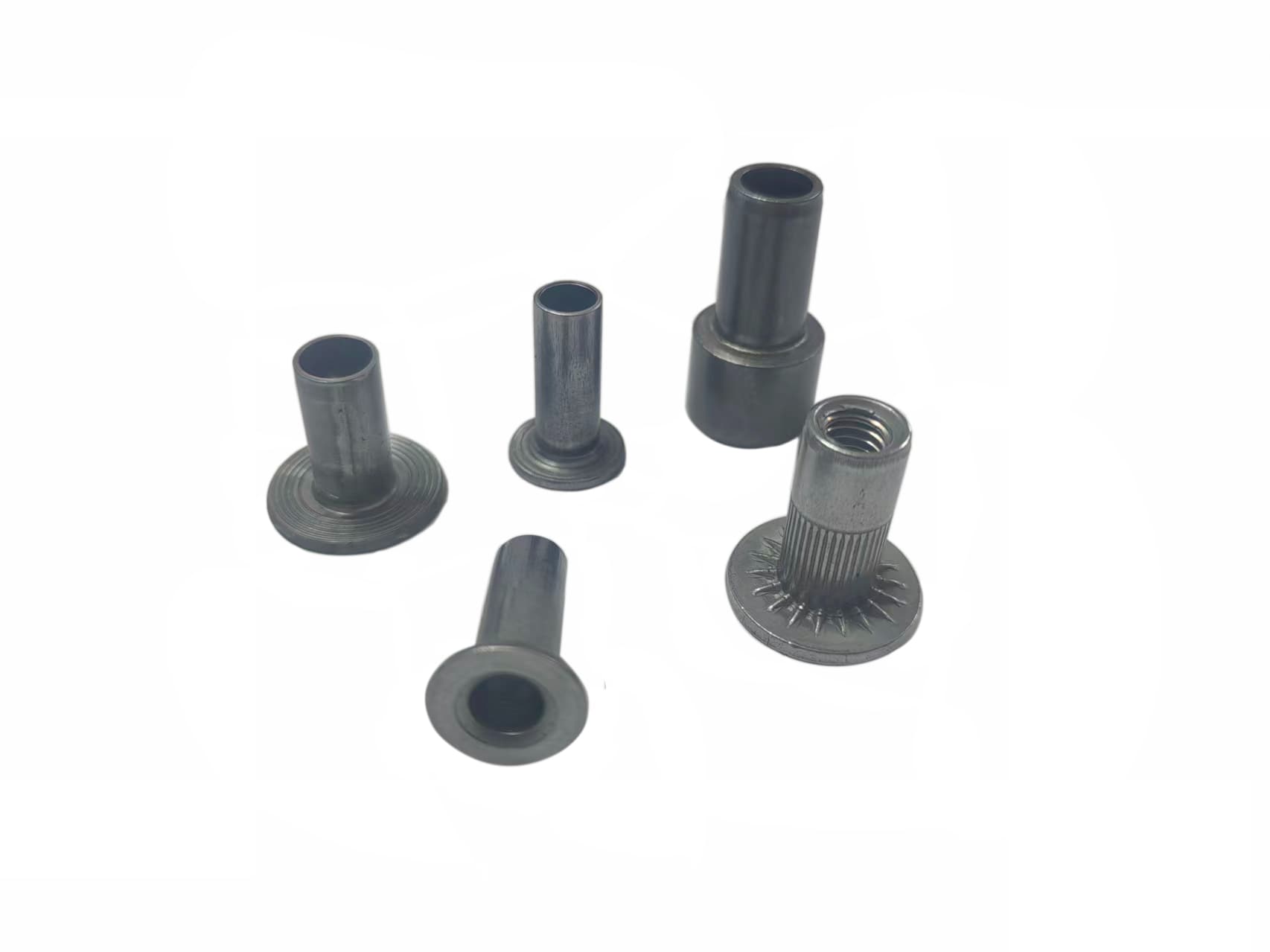 Professional manufacturer of rivets